


New Arrivals
-
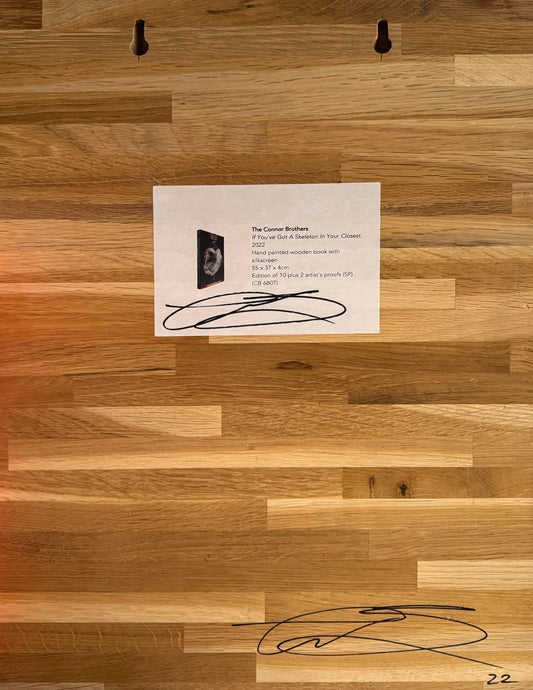
Skeleton In Your Closest, 2022
Vendor:The Connor BrothersRegular price €2.900,00 EURRegular priceUnit price per -
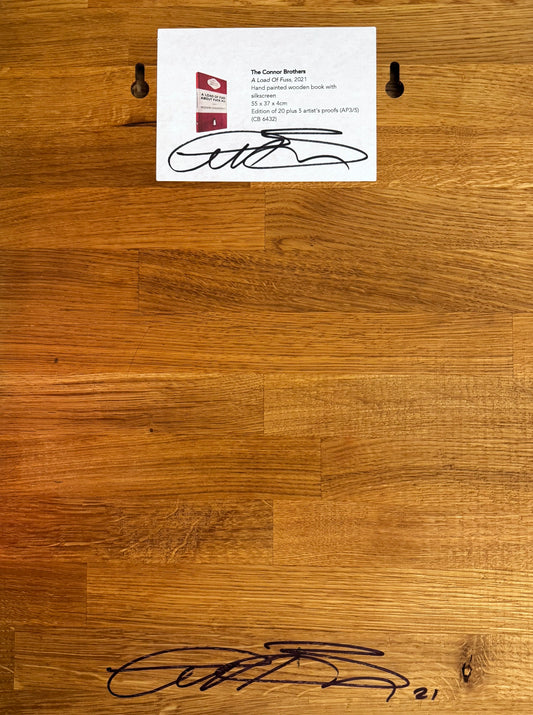
A Load Of Fuss, 2021
Vendor:The Connor BrothersRegular price €2.900,00 EURRegular priceUnit price per -
Come Sit Next To Me, 2022
Vendor:The Connor BrothersRegular price €2.900,00 EURRegular priceUnit price per





Suzanne Valadon
Suzanne Valadon (Bessines-sur-Gartempe, 1865 - Paris, 1938) was one of the most original and independent figures in French painting between the late nineteenth and early twentieth centuries, and is now recognised as a pioneering figure in the emergence of modern art.
Raised in Montmartre, she began her career as a model for artists including Renoir, Degas and Toulouse-Lautrec, before turning to drawing and painting herself. Edgar Degas was among the first to recognise her talent, encouraging her artistic development and introducing her to printmaking.
Valadon’s work focused on portraiture, the human figure, the nude, still life and landscape. Through a distinctive linear language, rigorous compositions and an intense use of colour, she developed an entirely personal style that challenged academic conventions and the traditional idealisation of the female body.
In 1894, she became the first woman admitted to the Société Nationale des Beaux-Arts, establishing an important position within the Parisian art world. Her works are now held in major international collections, including the Centre Pompidou, Musée d’Orsay, Museum of Modern Art and Metropolitan Museum of Art.
The major retrospective Suzanne Valadon. A World of Her Own, presented at the Centre Pompidou-Metz, Musée d’arts de Nantes, Museu Nacional d’Art de Catalunya and Centre Pompidou in Paris, further reaffirmed her significance within the history of modern art.
Featured Artists
-

Andy Warhol
Andy Warhol, the undisputed master of Pop Art and one of the...
-
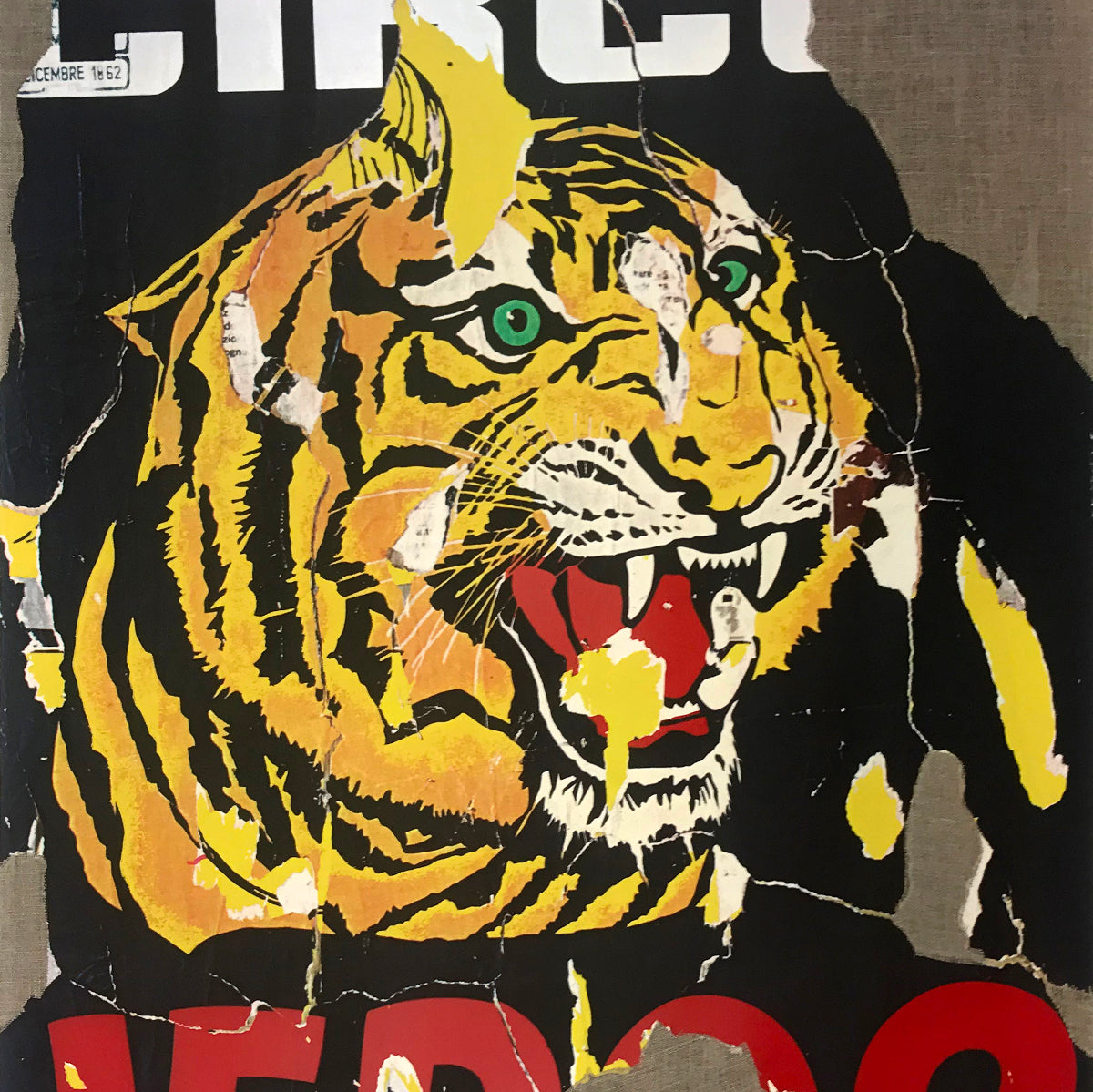
Mimmo Rotella
Mimmo Rotella, a leading figure of Nouveau Réalisme and an innovator in...
-

Obey (Shepard Fairey)
OBEY (Shepard Fairey), an icon of contemporary street art and a world-renowned...
-

Suzanne Valadon
Suzanne Valadon (Bessines-sur-Gartempe, 1865 - Paris, 1938) was one of the most...
-

Pablo Picasso
Pablo Picasso (Málaga, Spain, 1881 – Mougins, France, 1973) is universally regarded...


